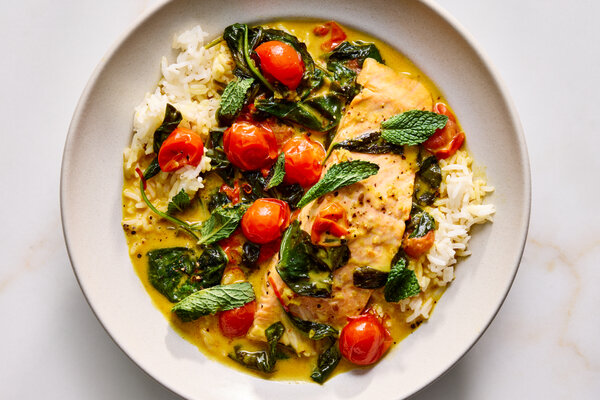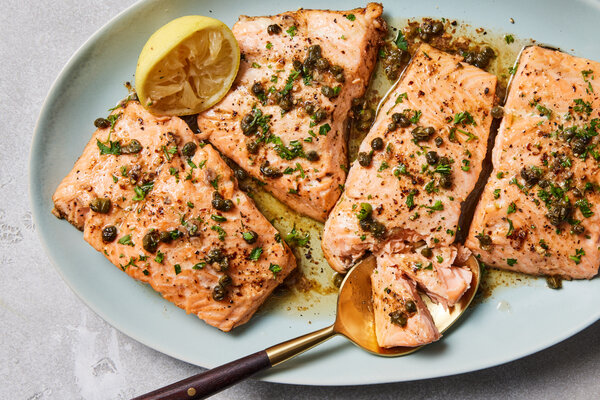
Salmon is something to savor for many reasons: its buttery meat, quick cook times and nutritional benefits. So treat salmon with the care and specialness it deserves by upgrading it in one of these seven weeknight-simple ways. Playing up its silkiness with textural contrasts, switching up the cooking method and even varying the type of salmon you use can all make it feel new again.
1. Use wild salmon
Credit…Con Poulos for The New York Times. Food Stylist: Simon Andrews.
Because of their active lives and varied diet, wild salmon can be more nuanced and robust than farmed fish. (And as an added benefit, wild salmon can also be more sustainable.) Here’s more about how to cook with wild salmon, including how to use it in any recipe that calls for farmed salmon.
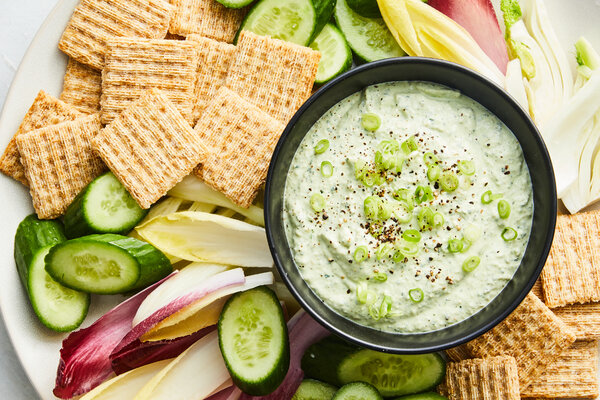
Need some recipes to start? Baked Wild Salmon | Wild Salmon With Fennel and Pistachios | Wild King Salmon With Savory Whipped Cream | Wild Salmon With Green Sauce
2. Brine with salt
Credit…Ryan Liebe for The New York Times. Food Stylist: Maggie Ruggiero.
For juicier fish and crispier skin, salt the fish for at least 15 minutes or up to two hours. You can dry-brine it for longer than two hours, but just know it will start to cure the fish and the texture will be noticeably firmer, as Kenji López-Alt explains.
Need some recipes to start? Roasted Salmon With Dill and Cucumber Salad | Dry-Brined Salmon
3. Add anchovies
Credit…Ryan Liebe for The New York Times. Food Stylist: Barrett Washburne.
Anchovies are a sneaky secret ingredient, adding much-needed depth to certain dishes, but eaters might discern something fishy going on. In a fish dish, though, that fishiness isn’t as noticeable. The umami and flavor that the anchovies contribute simply make salmon taste like a deeper, more salmony salmon.
Need some recipes to start? Salmon and Green Beans in Red Pepper Sauce | Salmon With Anchovy Garlic Butter | Salmon With Radicchio and Anchovy Sauce | Sheet-Pan Roasted Salmon Niçoise Salad | Slow-Roasted Salmon With Salsa Verde
4. Give it a crispy coating
Credit…Ryan Liebe for The New York Times. Food Stylist: Simon Andrews.
The tenderness of salmon is especially on display when the fish is coated with something crispy before searing or roasting. Consider a crust of chopped nuts and bread crumbs, as in Kiano Moju’s crispy suya-spiced salmon, or mixed seeds like the everything bagel spice on Carolina Gelen’s everything salmon with creamy caper sauce.
Need some recipes to start? Everything Salmon With Creamy Caper Sauce | Crispy Suya-Spiced Salmon | Crispy Salmon With Mixed Seeds | Parmesan-Crusted Salmon Caesar Salad | Crispy Coconut Salmon
5. Cube it
Credit…Linda Xiao for The New York Times. Food Stylist: Rebecca Jurkevich.
It’s easy to pick chicken nuggets over chicken fingers. They have more shattering coating in each bite. The same logic applies to salmon. If you cut the fillets into 1-inch cubes before cooking, there will be more surface area for seared crusts and saucy glazes.
Need some recipes to start? One-Pot Salmon, Spinach and Lentil Salad | Salmon Ssam | Saffron Salmon Kababs | Pesto Pasta With Shrimp and Salmon
6. Broil it
Credit…David Malosh for The New York Times. Food Stylist: Simon Andrews.
You could cook salmon in a skillet, but the broiler is a less splatter-prone, less-smelly option. Place the fish on a sheet pan with the skin facing your broiler, where the direct, intense heat will crisp the (delicious) skin and gingerly cooking the meat beneath.
Need some recipes to start? Salmon With Sesame and Herbs | Broiled Salmon With Mustard and Lemon | Salmon With Garlic Butter and Tomato Pasta | Sheet-Pan Jerk Salmon | Broiled Salmon and Asparagus With Herbs Sticky Miso Salmon Bowl
7. Eat it with sour cream or yogurt
Credit…Armando Rafael for The New York Times. Food Stylist: Cyd Raftus McDowell.
You already know from lox and bagels that salmon likes a tangy, soft dairy. So when you’re cooking up salmon for your next dinner, look to something like sour cream or Greek yogurt, which has more acidity than cream cheese and delivers a punch that’s similar to a squeeze of lemon.
Need some recipes to start? Black Lime Salmon | Roasted Salmon With Miso Cream | Salmon and Couscous Salad With Cucumber-Feta Dressing | Greek Yogurt-Marinated Salmon | Salmon With Potatoes and Horseradish-Tarragon Sauce
Follow New York Times Cooking on Instagram, Facebook, YouTube, TikTok and Pinterest. Get regular updates from New York Times Cooking, with recipe suggestions, cooking tips and shopping advice.