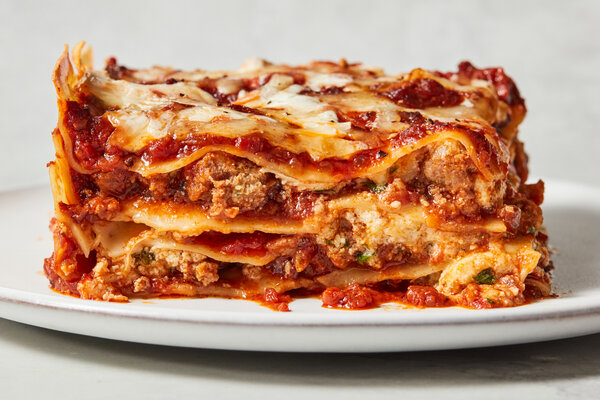
Baked pasta doesn’t even have to try to be a cozy, comforting dish. There’s already the bubbling sauce, the gooey cheese, the sweet smell of pasta wafting through the house. But here’s the truth: A few bites of that rich warmth can lull you to sleep. (And why do that when there’s more pasta to eat?) So, the next time you’re making a baked pasta, incorporate one of these upgrades, which will keep things interesting — but not too interesting.
1. Add meatballs
Rolling uncased sausages into meatballs is a quick, easy addition to a ziti.Credit…Linda Xiao for The New York Times. Food Stylist: Simon Andrews.
Finding a meatball in your baked pasta is much like finding a nugget of cookie dough in your ice cream: It adds surprise, something to dig around for and break up similar bites. While you could form and sear off homemade meatballs, Colu Henry has a smart trick in her baked ziti recipe: rolling uncased sausage into meatballs instead.
Need some recipes to start? Baked Ziti With Sausage Meatballs and Spinach | Cheesy Baked Pasta With Sausage and Ricotta
2. Add greens
Tender greens add a color and depth to this skillet orzo.Credit…Johnny Miller for The New York Times. Food Stylist: Rebecca Jurkevich.
Like lemon in a cream sauce or a side salad with a steak, greens in a baked pasta can cut richness. You’ll want to cook the greens to get rid of some of their water before they head into the oven, to avoid making your pasta runny. So blanch hardier vegetables like broccoli or kale in the last few minutes of the pasta boiling, as in this baked Alfredo pasta, or wilt tender greens like baby spinach or arugula into the warm sauce, as in this cheesy baked orzo.
Need some recipes to start? Cheesy Baked Orzo With Marinara | Baked Alfredo Pasta With Broccoli Rabe and Lemon
3. Really, really undercook the pasta
Slightly undercooking the pasta yields an especially nice texture in a baked dish.Credit…Johnny Miller for The New York Times. Food Stylist: Susan Spungen.
Pasta can’t help but drink up a delicious sauce. As it bakes, it gorges until it’s way more than full. So if the pasta goes into the oven already soft, it will swell until it’s mushy. The easy solution is to undercook the pasta knowing it will feast on more sauce later: Go for two minutes less than the al dente timing listed on the package.
Need some recipes to start? Stuffed Shells | Baked Spinach Artichoke Pasta
4. Crisp onions on top
Onions can add a nice depth to a cheesy pasta.Credit…David Malosh for The New York Times. Food Stylist: Simon Andrews.
There’s nothing wrong with topping a baked pasta with bread crumbs, but you’ve had that before. Nuts, crackers, bits of prosciutto or bacon are all possibilities — as are the onions you already have on hand for the sauce. For her baked skillet pasta with Cheddar and spiced onions, Melissa Clark sets some of the caramelized onions aside to arrange on top of the pasta. As it bakes, the onions crisp and curl with the Cheddar.
Need a recipe to start? Baked Skillet Pasta With Cheddar and Spiced Onions
5. Expand your cheese choices
Halloumi is a great cheese for melting on a pasta, providing a salty kick.Credit…Linda Xiao for the New York Times. Food Stylist: Monica Pierini.
When picking a cheese — or cheeses — consider how they’ll behave in the oven. The classic mix might be mozzarella, Parmesan and ricotta, but the options don’t stop there. Fontina, Cheddar and Gruyère are good melting cheeses. Cottage, cream or goat cheese can go creamy, and feta and grated halloumi provides a salty kick. Choosing your mozzarella wisely can also make an impact: Because it has less water, low-moisture mozzarella has an easier time browning and melting.
Need some recipes to start? Pepperoni Baked Pasta | Cheesy Eggplant and Rigatoni Bake | Baked Chicken Ricotta Pasta | Weeknight Spinach and Ricotta Lasagna | Baked Tomato Pasta With Harissa and Halloumi | Roasted Butternut Squash Mac and Cheese
6. Bake it hotter and faster
Cooking your pasta at a higher heat may give you a bit more control on the end result.Credit…Linda Xiao for The New York Times. Food Stylist: Monica Pierini.
Many recipes instruct you to bake the pasta covered for a long stint, then uncover the pasta to brown the top. But all that time away from your watchful eye can cause it to dry out or turn to mush. For more control over the end result, bake the pasta at a higher temperature (around 450 degrees) for a shorter amount of time (10 to 15 minutes). That’s just enough time and heat for the elements to meld, the cheeses to melt and the top to brown.
Need some recipes to start? Cheesy Baked Pumpkin Pasta With Kale | Baked Cheesy Chicken and Mushroom Pasta | Baked Spanakopita Pasta With Greens and Feta
7. Let it rest for at least 10 minutes
A short rest can let even the cheesiest pastas settle into their structure.Credit…Linda Xiao for The New York Times. Food Stylist: Monica Pierini.
It’s understandable to want to dig into baked pasta the second it’s ready. But spoon it onto your plate and it’ll run like lava — a molten-hot slip and slide. By letting the pasta rest for 10 minutes, the structure of the pasta will set. The sauce will cling to the noodles, the cheese will stay put and the temperature will lower so you don’t scorch your tongue.