As a yearly practice, Ramadan, the Islamic month of fasting from dawn to sundown, comes with traditions that center family, spirituality and, of course, iftar, the meal to break the daily fast. In accordance with the lunar calendar, Ramadan could start as early as Tuesday this year, which falls well before the switch to daylight saving time on March 8 in the United States. This means that iftar will begin around 5:30 p.m. for most of the country for nearly three weeks, leaving a short window after work to get a comforting, nourishing meal on the table.
Traditionally, cooks spend hours preparing elaborate dishes to serve the minute iftar begins. Even though that’s not an option for those who work outside the home, there’s no need to sacrifice flavor in the face of a racing clock. Cooks can evoke memories of meals past by looking to tradition but streamlining preparations. Mixing ingredients and techniques from different cuisines can result in dishes that take less time and coordination than the originals.
To honor beloved Ramadan customs while accommodating a contemporary schedule, home in on food that feels familiar and brings joy, then follow these three tips for creating iftars that suit your lifestyle.
Audit your cooking strengths.
Making something you know how to execute quickly while adjusting the flavors to spark nostalgia is more manageable than toiling over a dish your grandmother spent years perfecting. Consider how your go-to meals come together and work in seasonings from home.
Italian pasta alla Norma is simple enough for many to cook on a whim, and its technique mirrors that of Afghan borani banjan, which also stews eggplant in tomato sauce. By adding borani banjan’s cumin and coriander to the tomatoes and its garlicky mint yogurt on top, this pasta tastes comforting to anyone who finds familiarity in spices and yogurt.
Stock your pantry, fridge and freezer intentionally.
Keeping canned beans and flavorful condiments on hand cuts down on grocery shopping trips.Credit…Julia Gartland for The New York Times. Food Stylist: Monica Pierini.
Avoid a daily trip to the store by filling your kitchen with the ingredients you like and use most. Legumes are a great pantry-friendly protein to have on hand: For quick cooking, choose split red lentils and canned beans over dried. Lean on shortcut ingredients with big flavors, such as spice blends (think curry powder and garam masala) and condiments like soy sauce, harissa paste, oyster sauce and gochujang.
Fill your freezer with quick-cooking proteins like shrimp, ground beef and boneless chicken to keep dinner prep speedy. Any of those would work in this cumin fried rice, which cooks in 15 minutes and can be topped with eggs, an important staple to keep in the fridge.
Prep ahead to get iftar ready quickly.
Prepping ingredients, sauces and staples like rice ahead of time make cooking go more quickly.Credit…Julia Gartland for The New York Times. Food Stylist: Monica Pierini.
If you can’t realistically cook an entire meal after work and before the sun sets on weekdays, use the weekends or early night hours to prep the next few meals. Basics like rice can be cooked in large batches and refrigerated or frozen, then thawed and reheated in the microwave or on the stovetop. If you’ve been shamed out of buying garlic and ginger pastes, you can use a food processor to quickly mince fresh cloves and roots, which can be refrigerated for days or frozen for even longer. Peel and trim a whole bag of onions to refrigerate for the week. If you prefer homemade condiments and dips like chutneys and hummus, make them ahead, freeze and thaw as needed.
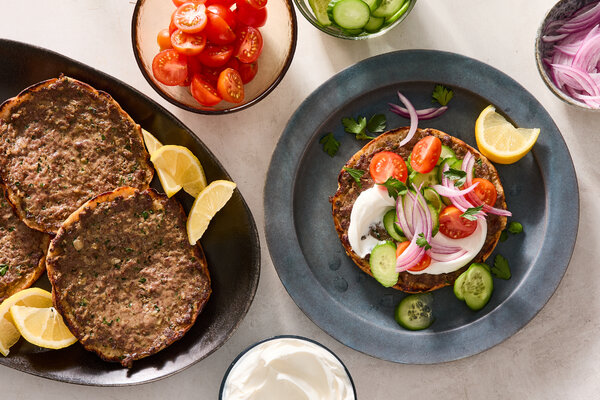
Many steps in recipes can be done over the course of a few days, so instead of preparing iftar each night, you can quickly assemble it. In the case of these charred meat pitas, you can mix and refrigerate the spiced ground meat a few days in advance, then simply spread it over pitas and broil for 5 to 10 minutes when ready to eat.
More Quick Dishes for Iftar: Gochujang Shrimp Pasta | Salmon and Kimchi Skillet | Roasted Chicken Thighs With Hot Honey and Lime | Green Chutney Spaghetti | Smashed Beef Kebab With Cucumber Yogurt | Red Curry Lentils With Sweet Potatoes and Spinach | Cacio e Pepe Ramen | Harissa Steak Tacos | Salmon and Tomato Curry | Plus More Traditional Ramadan Recipes
Adapting meals to suit your lifestyle is always a goal, especially when fasting all day. What is gained in ease may feel like a loss of authenticity for iftar, but using traditional recipes as inspiration not only keeps the ethos of them alive, it ensures that even as modern life limits kitchen time, dishes with roots in the past will be carried through future generations.
Follow New York Times Cooking on Instagram, Facebook, YouTube, TikTok and Pinterest. Get regular updates from New York Times Cooking, with recipe suggestions, cooking tips and shopping advice.